Green Nautilus Passport
Timeline
3 months
Role
Product Designer
Skills
Illustration
Product Design
Experience Design
UX Design
Team
Shanghai Natural History Museum
Cultural Product Department
Introduction
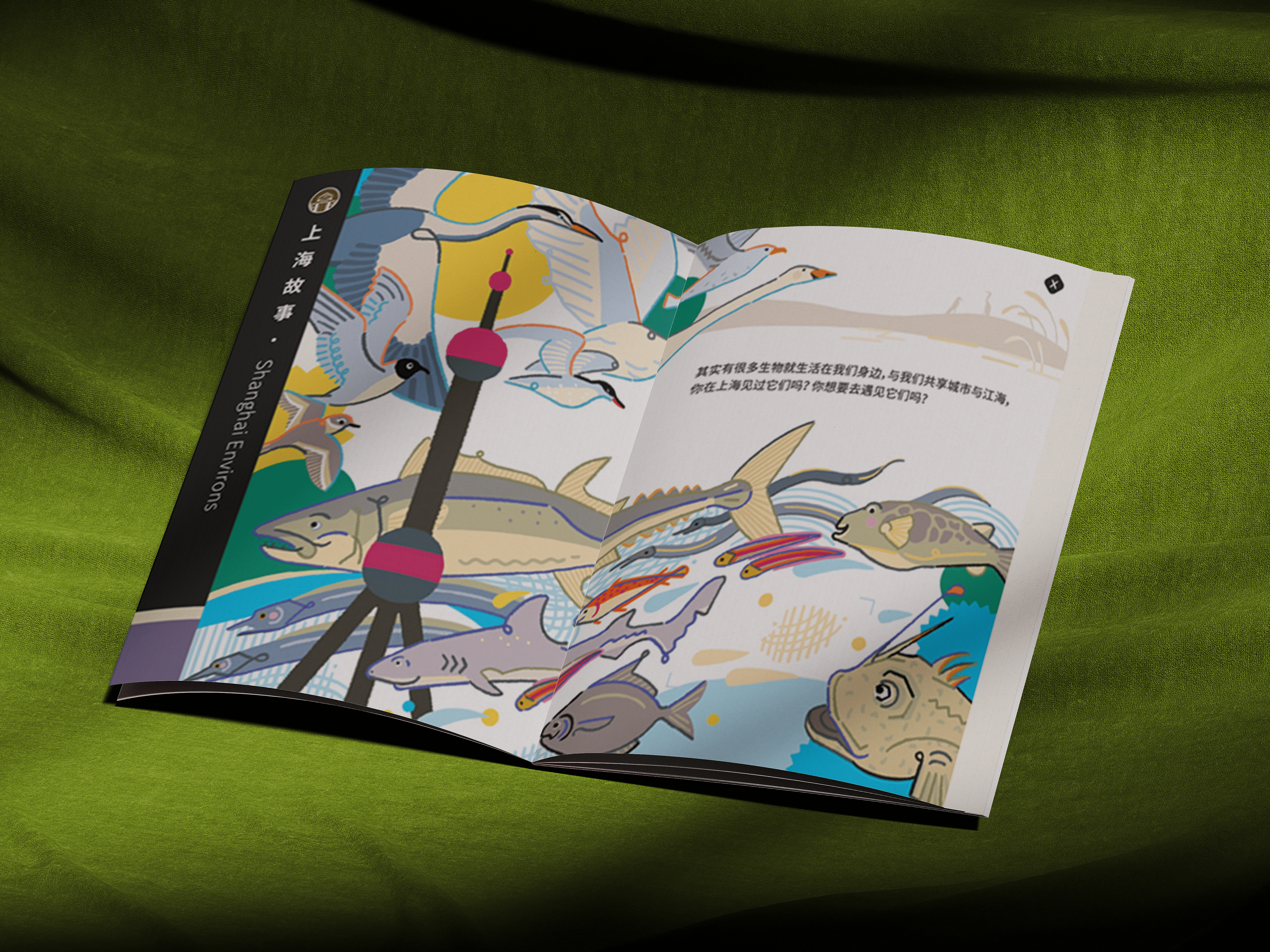
Many museum visitors, especially children tend to explore exhibits randomly without a clear purpose or direction. This not only weakens the educational impact of the museum visit but also misses commercial opportunities.
We saw an opportunity to design a product that structures the experience, engages young audiences, and strengthens both educational and economic outcomes for the museum.
To address this, we created the Green Nautilus Passport — a playful, guided system that transforms passive visits into memorable learning adventures.
Project Goal
Guide visitor flow:
Create a logical and engaging sequence for exploring the museum.
Enhance visitor engagement:
Make the experience more fun, educational, and shareable—especially for kids and families.
Increase revenue:
Integrate popular IPs to drive product sales and improve ROI.
Stakeholder Map
Primary users:
children, parents, general visitors
Design participants:
product designers, illustrator
Implementation team:
product designers, illustrator
Decision makers:
design leads, product department managers, museum executives
Problem & Challenge
Problem:
During the passport design process, we were confronted with an overwhelming amount of visual materials (including popular IPs and exhibits). Without a clear system, the design direction felt fragmented and it was unclear how to prioritize or curate content effectively.
Design challenge:
Beyond the content overload, our team faced alignment issues. Different members held different preferences and opinions, which made it difficult to agree on what should be included. The challenge was to create a unified framework that could organize content logically while balancing user needs, storytelling, and institutional goals.
Research & Method
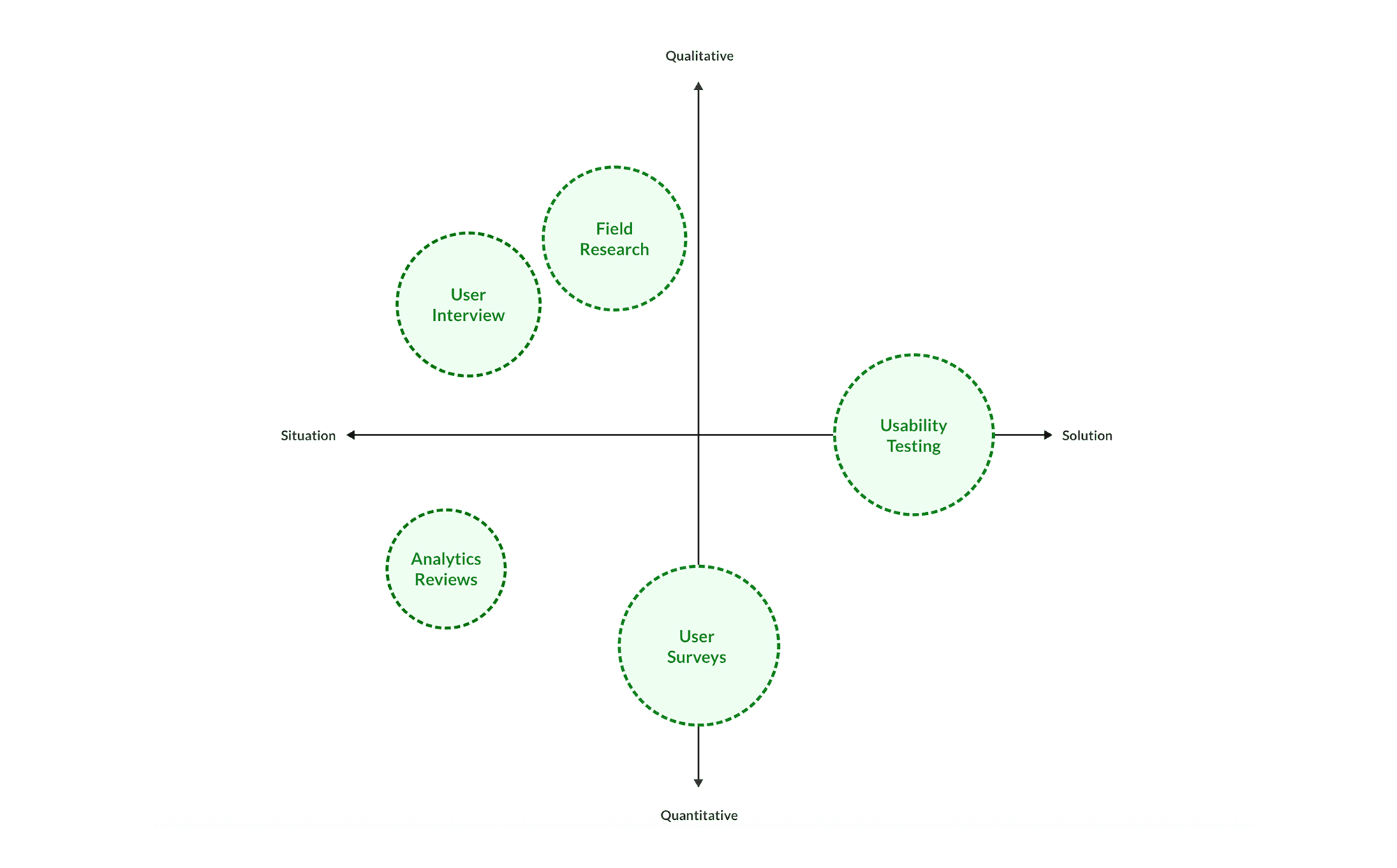
During the whole project process, I applied both qualitative and quantitative methods to understand visitor journeys, motivations, and content need.
Quantitative research
By collecting and analyzing real visitor data, we identified the most popular and high-demand exhibits and characters. This allowed us to effectively choose characters, rather than on personal preference.
Survey:
Create a logical and engaging sequence for exploring the museum.
Online store sales data:
Analyzed merchandise sales reports to highlight top-selling products and determine high-demand characters and themes.
Which of these live-steam topics interests you the most?
Talking about Snails
46 votes 5.09%
Exploring African Flora and Fauna
73 votes 8.08%
Beautiful Life, Vibrant Colors
70 votes 7.75%
Journey Through the River of Life, Explore the World’s Wonders
139 votes 15.39%
Stories Behind the Dinosaurs
234votes 25.91%
The Road to the Future, Moving Forward Together
39votes 4.32%
Visiting Dongtan, Observing Wetlands
41votes 4.54%
Nature’s Abundant Treasures
64votes 7.09%
Survival of All Things, Bond with Water
57votes 6.31%
Do You Want to Explore the Arctic and Antarctic?
140votes 15.05%
Online store product sales
200+ / month
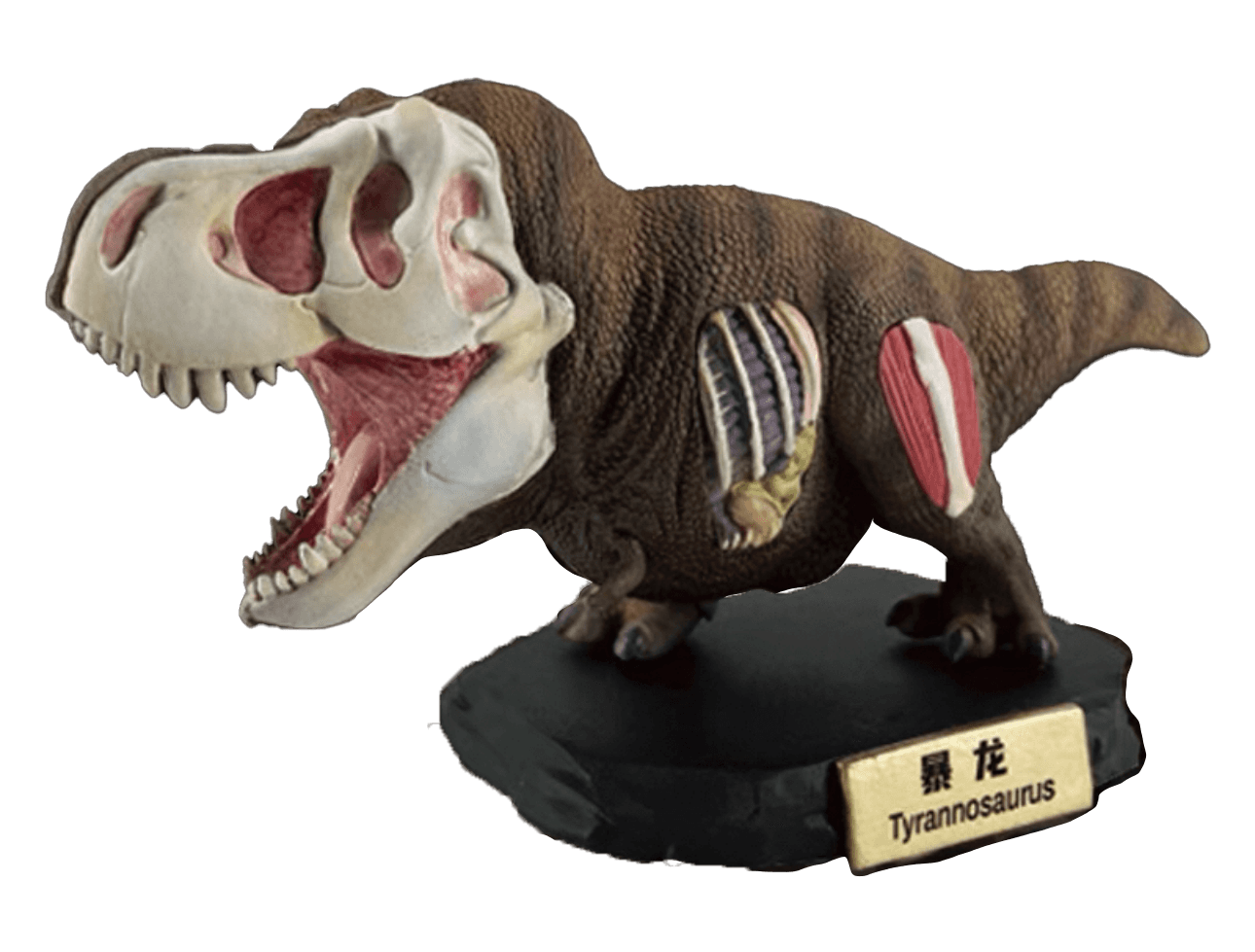
Tyrannosaurus
100 + / month
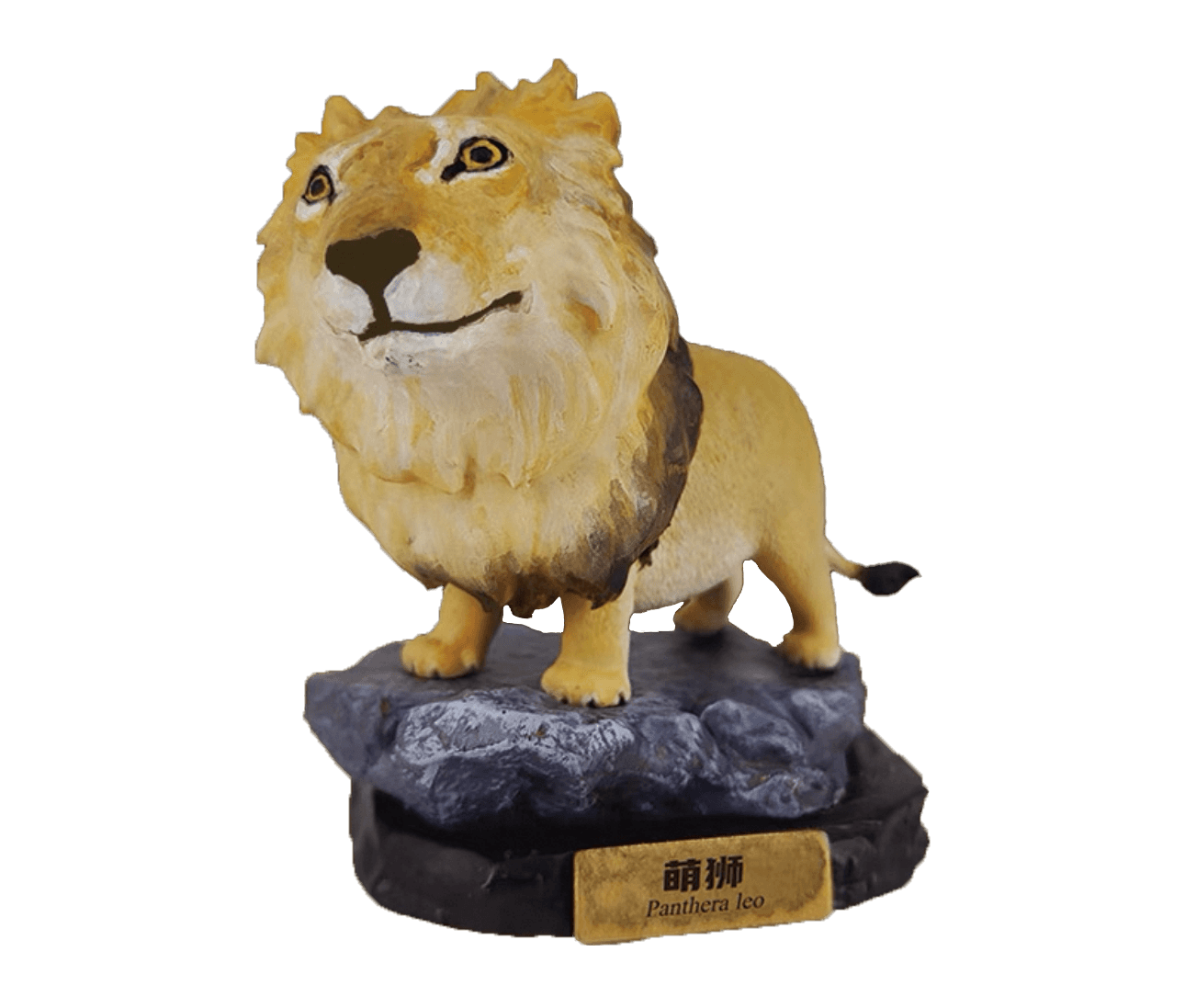
'Cute Panthera Leo'
Quantitative research data
Research Conclusion:
By collecting and analyzing real visitor data, I concluded that Tyrannosaurus and the “Cute Panthera Leo” were the most popular choices. Based on this insight, I recommended highlighting these two IPs prominently in both the product design and the overall passport experience.
Qualitative Research
We also adopted quantitative methods and conducted field research in the science museum to study visitor flow and exhibition sequence.
Research Conclusion:
We observed that most visitors began their journey at the 2F “Origin of Life” exhibition hall and moved downward toward -2F.
Design Solution
Based on the data, we combined the Tyrannosaurus with the museum’s mascot to attract visitors.
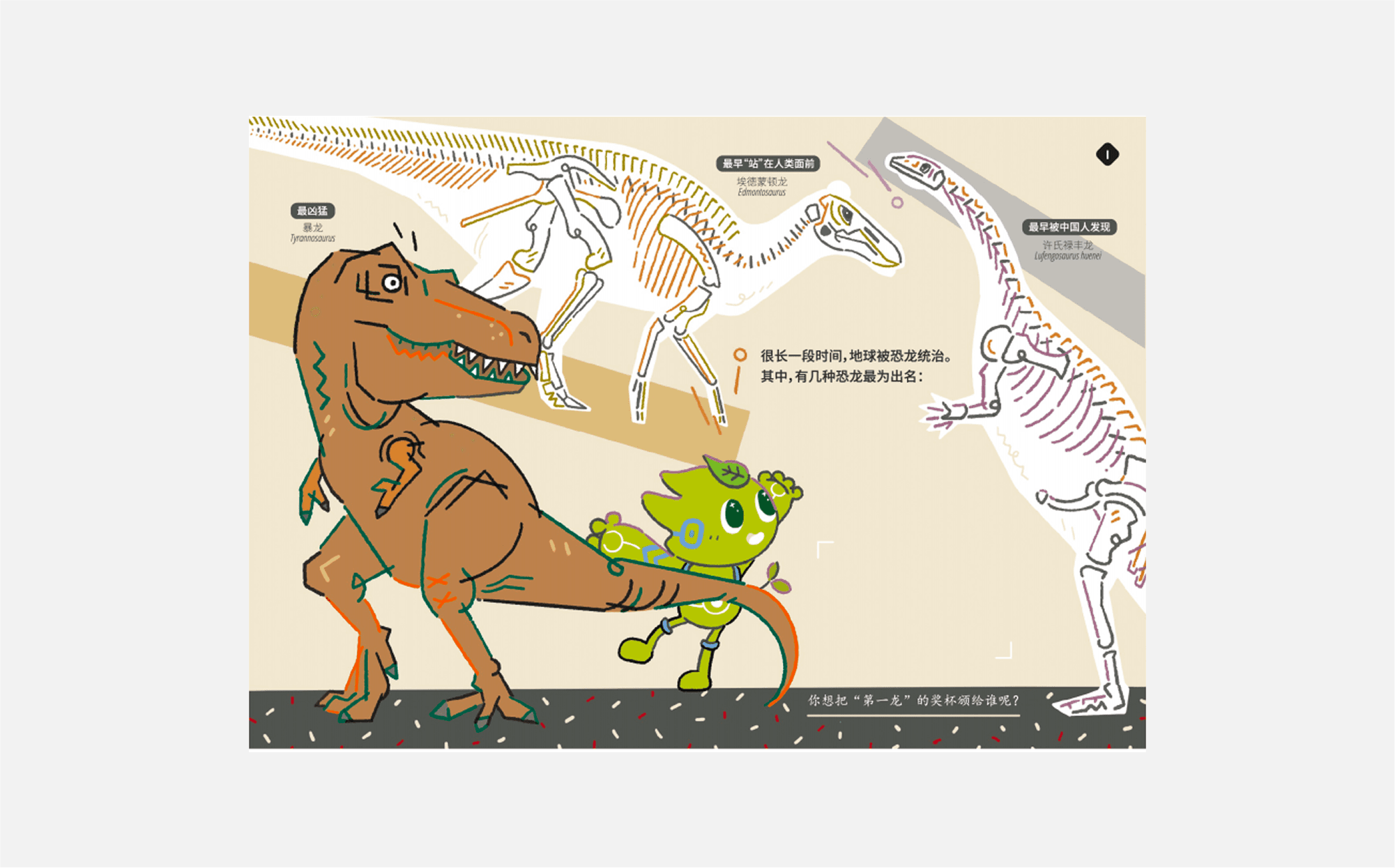
Passport inner page display
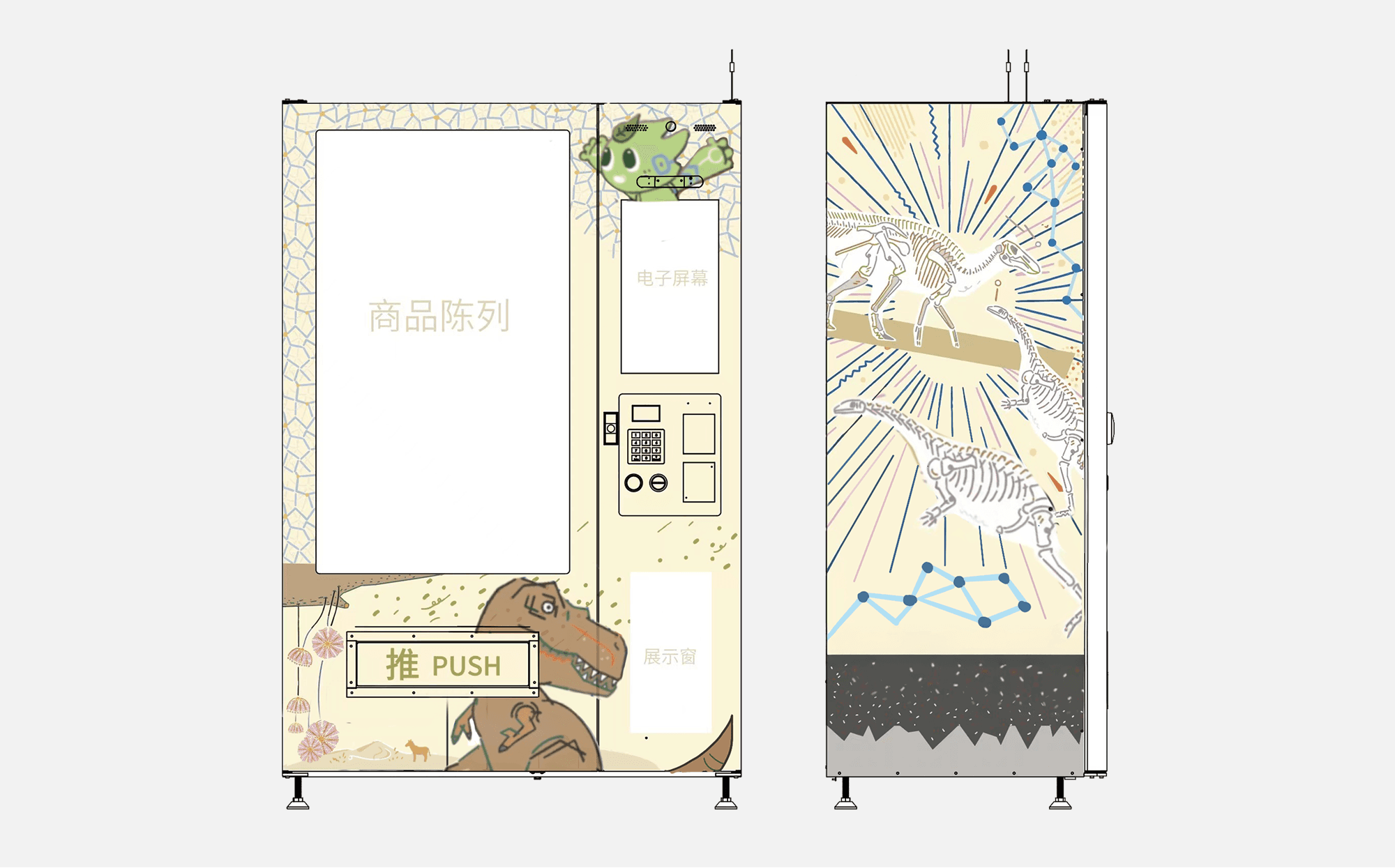
Vending machine exterior packaging design
We also intended to design the “cute lion” into an interactive game format where visitors could assemble facial expressions through stickers and digital interactions, reinforcing engagement both offline and online.
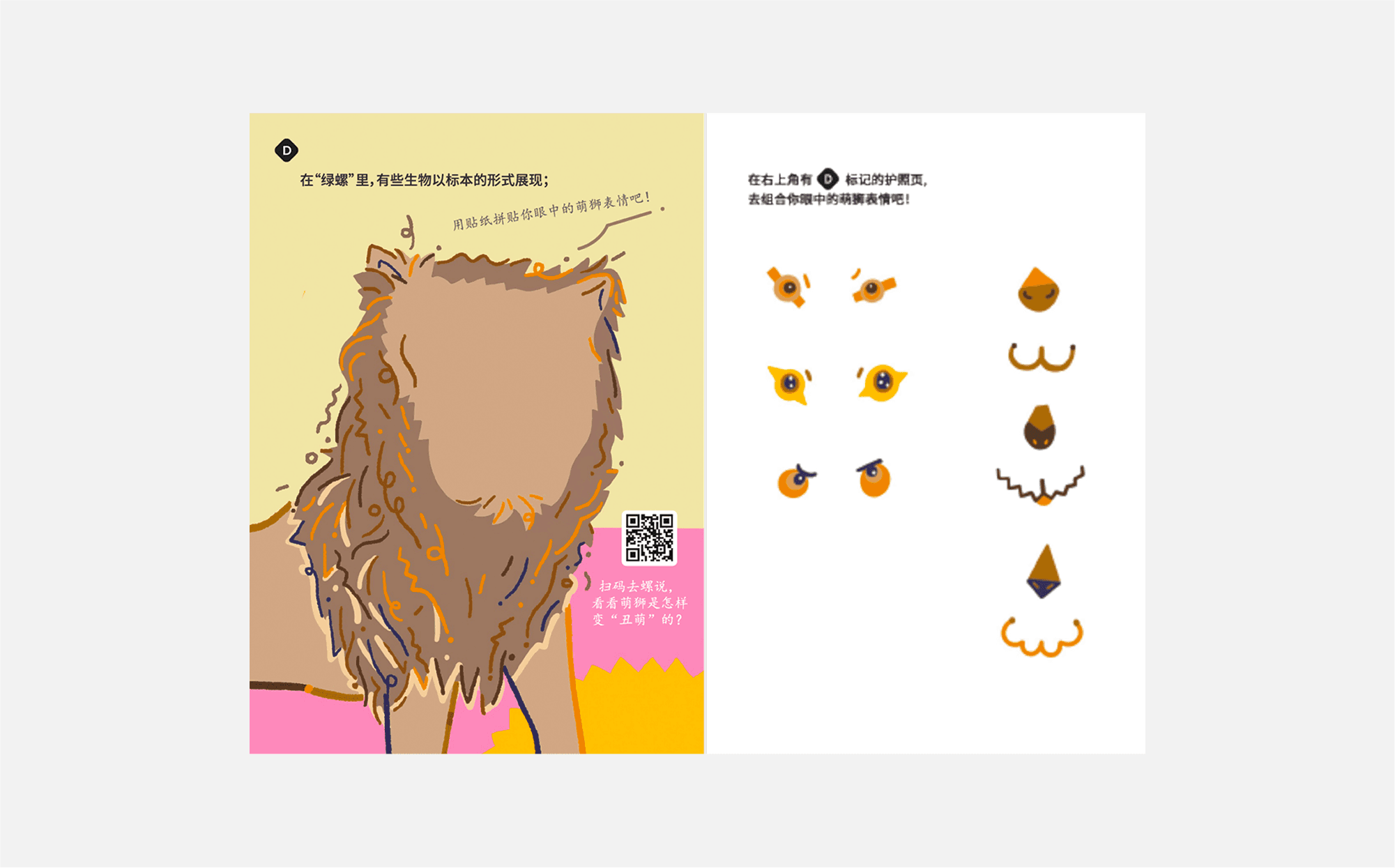
Passport inner page display
The final output is a combination of the actual visiting order observed in user behavior and the recommended sequence based on exhibition content categories.
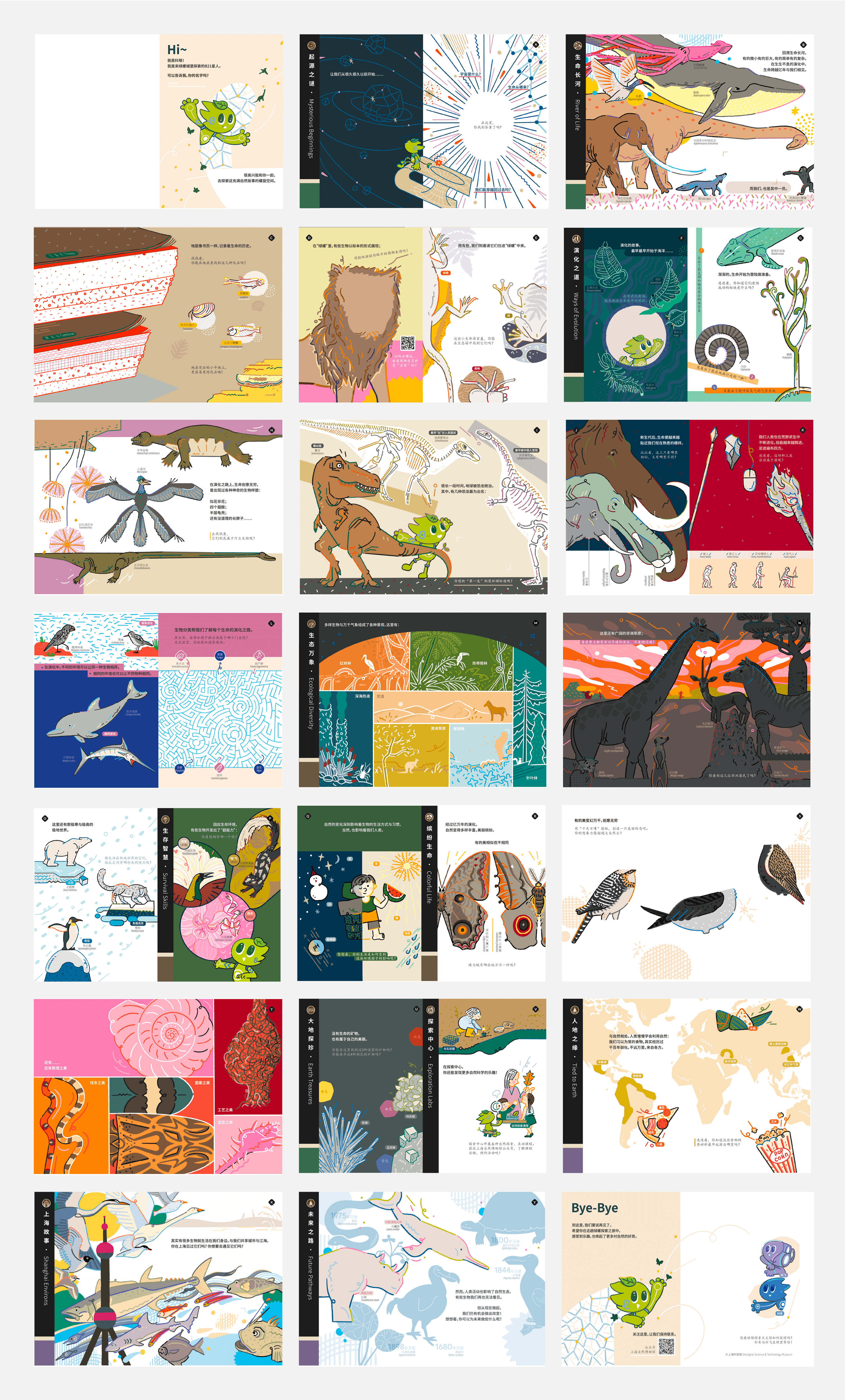
Passport inner page display
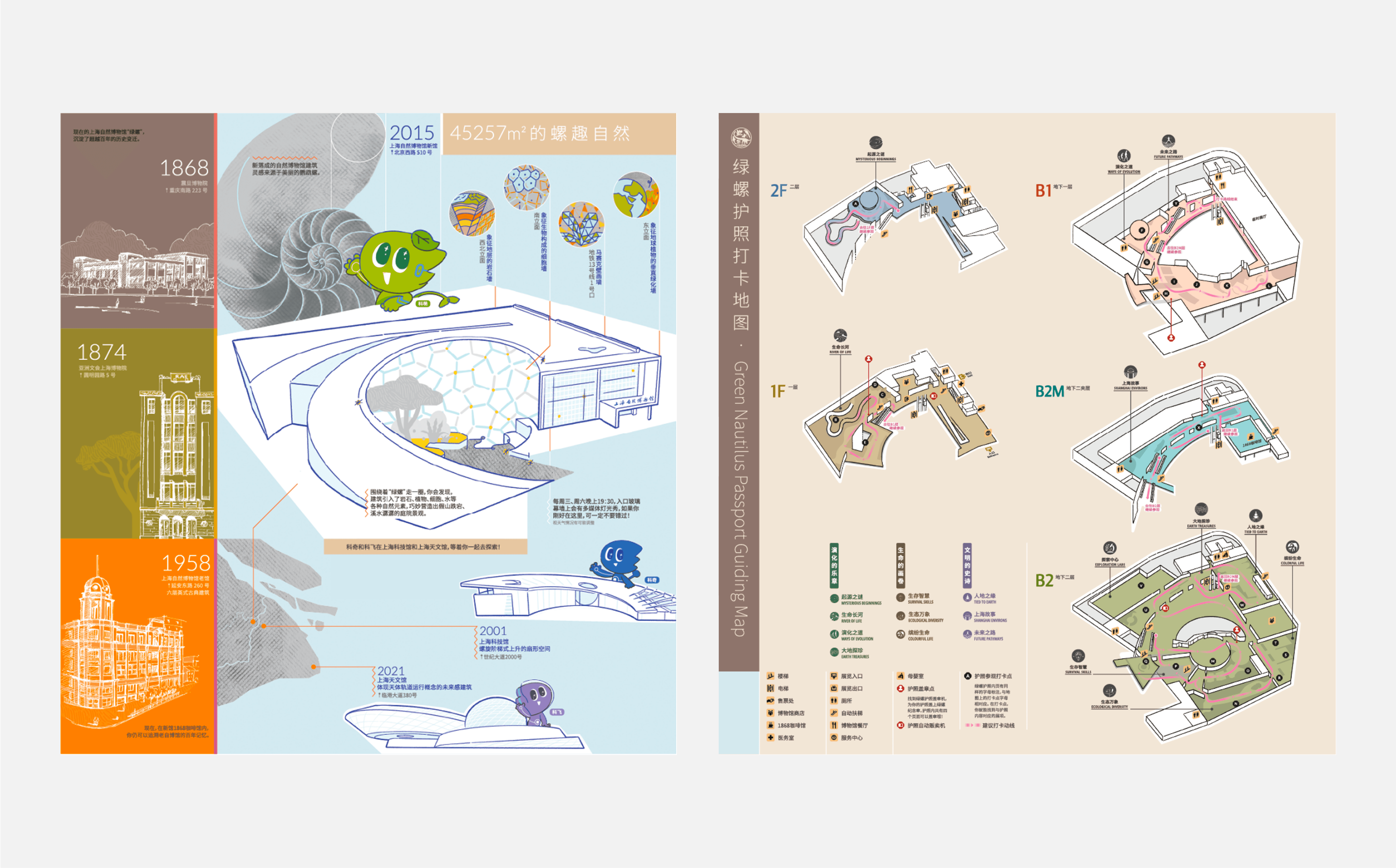
The passport guiding map